


Download Umbral – narrative game, suicide, afterlife, psychological horror, exploration, puzzles, emotional journey, Kardecist Spiritism, Umbanda
Overview
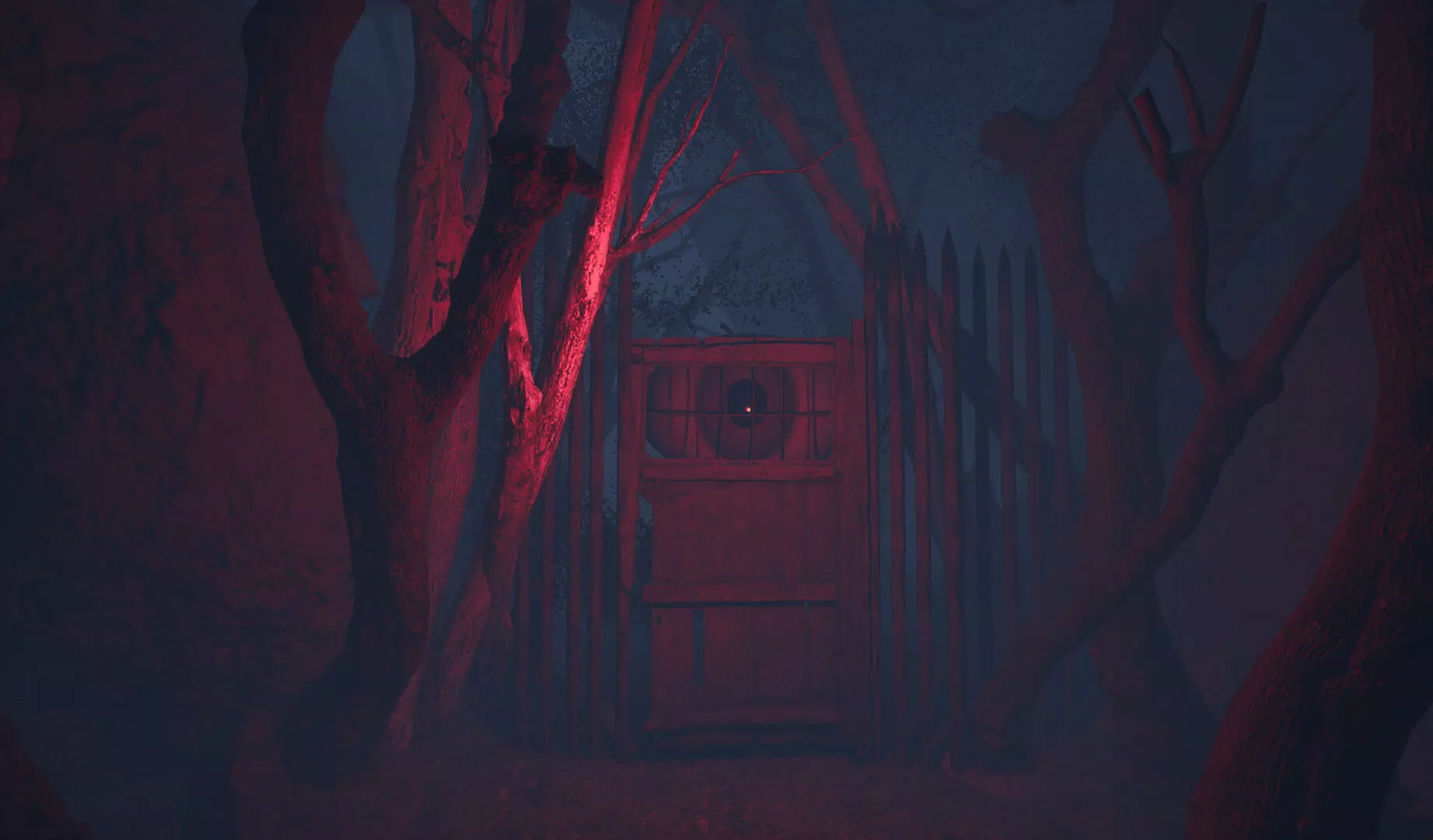
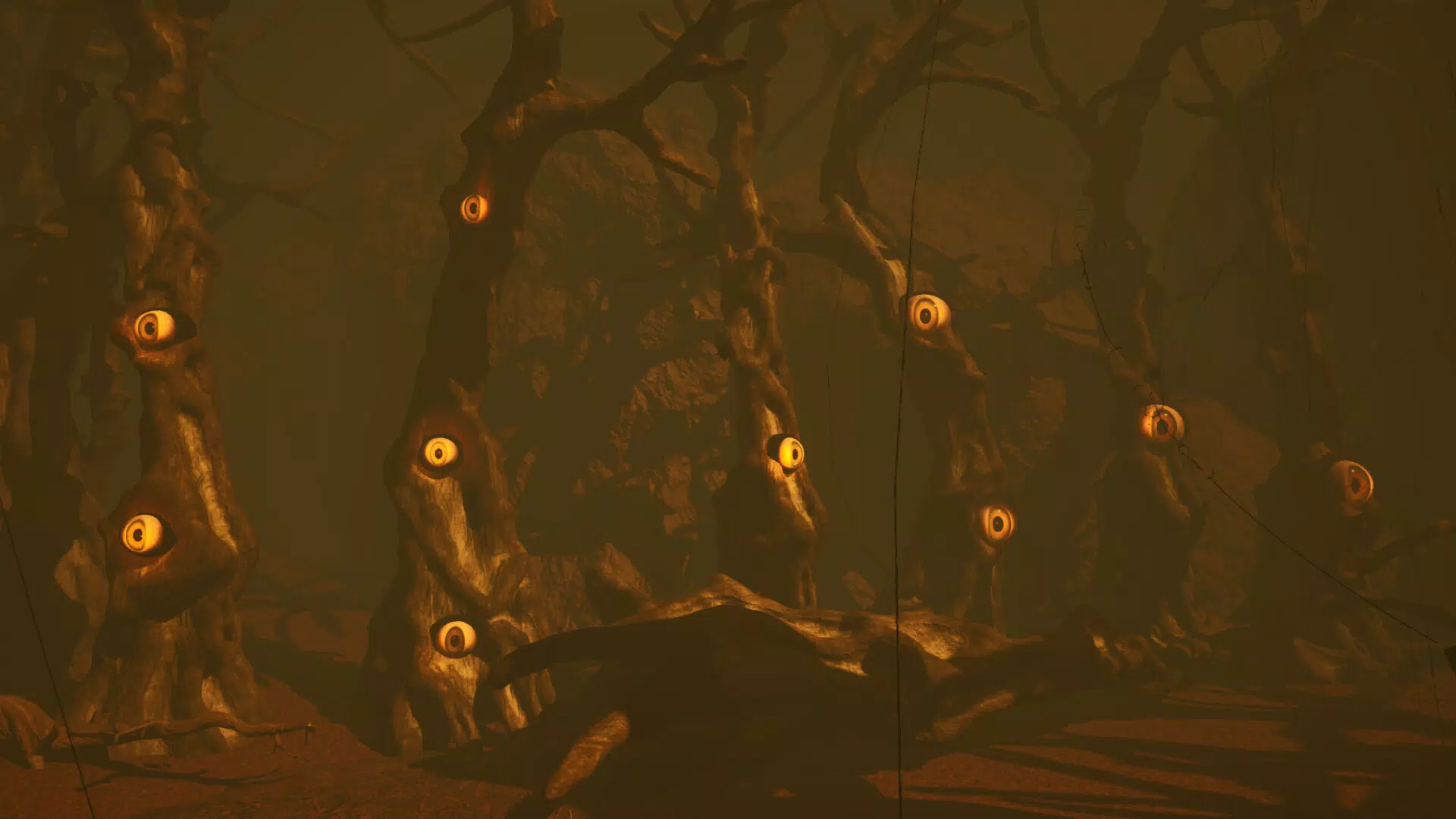
Umbral is a first-person narrative game that presents a deeply introspective and emotionally charged experience centered on the aftermath of a suicide attempt. The player assumes the role of Mateus, a young adult navigating a haunting afterlife that reflects the psychological and spiritual dimensions of his choices. The game explores themes of despair, self-discovery, and existential reflection through a story-driven framework that challenges players to confront uncomfortable truths about life, death, and personal responsibility. Developed by Amanuense, a two-person team, Umbral delivers a compact yet powerful experience lasting between 90 minutes and two hours. Despite its brevity, the game is designed to leave a lasting emotional impact. It integrates elements of Kardecist Spiritism and Umbanda, offering a culturally grounded perspective on the afterlife that enriches the narrative depth. The game is not intended as a traditional horror title but instead uses unsettling atmospheres, symbolic environments, and psychological tension to evoke unease. Target users include players interested in narrative-driven games, those drawn to emotional storytelling, and individuals seeking thought-provoking experiences. The app holds a unique position in the mobile gaming ecosystem by offering a mature, reflective journey in a medium often dominated by fast-paced or casual content. It serves as a tool for emotional engagement and introspection, particularly in an era where mental health awareness is increasingly prominent.Key Features & Functionality
Umbral’s core functionality revolves around its narrative structure, environmental storytelling, and interactive puzzles. The game emphasizes a linear yet immersive journey, guiding players through a series of symbolic locations that mirror Mateus’s internal state. Each environment is meticulously designed to reflect psychological and spiritual themes, using visual metaphors to convey deeper meanings. Players engage in exploration by interacting with objects, uncovering hidden messages, and solving narrative-based puzzles that are integrated into the setting. These puzzles are not mechanical challenges but are instead tied directly to the story, requiring players to interpret symbolic cues and understand the emotional weight behind each action. The game’s narrative is layered with references to Kardecist Spiritism and Umbanda, introducing philosophical concepts such as spiritual evolution, reincarnation, and the moral consequences of one’s actions. This cultural context adds authenticity and depth, making the experience more than just a fictional journey—it becomes a meditative reflection on existence. The emotional journey is central to gameplay, with player choices influencing the tone and progression of the story, though the game does not feature branching paths in a traditional sense. Instead, the experience is cumulative, building toward a climactic moment of self-realization. The short duration ensures that players remain emotionally invested without becoming fatigued, making it ideal for focused, meaningful sessions. The game’s design encourages contemplation and personal reflection, positioning it as both a narrative tool and a psychological experience.Interactive Storytelling
The game uses environmental cues and audio design to guide players through key narrative beats. Subtle changes in lighting, soundscapes, and spatial layout signal shifts in tone, helping players interpret the emotional state of Mateus. This form of storytelling minimizes exposition and relies on atmosphere to convey meaning.Symbolic Puzzle Design
Puzzles are not isolated challenges but are embedded in the narrative. For example, a locked door may require understanding a past memory, or a recurring object may represent a repressed emotion. Solving these puzzles leads to deeper insight into Mateus’s psyche.Interface, UX & Performance
Umbral features a minimalist interface designed to maintain immersion. The first-person perspective is central to the experience, with no on-screen HUD elements to distract from the environment. Navigation is intuitive, relying on natural movement controls that respond smoothly to touch input. The visual style is distinct, combining muted color palettes with stark contrasts to emphasize mood and symbolism. The UI elements are sparse, appearing only when necessary, such as during puzzle interactions. The game’s performance is optimized for mobile devices, with consistent frame rates and minimal lag during movement and environmental transitions. Although the developer did not list formal performance metrics, the game runs smoothly across a range of Android devices, suggesting efficient resource management. Responsiveness is strong, with input registering promptly and animations flowing naturally. Stability appears high, with no reported crashes or freezes in the initial release. The game’s short length reduces the likelihood of performance degradation over time. However, specific requirements for device compatibility were not disclosed, so users should ensure their device meets general Android standards for gaming apps. The overall user experience is cohesive, prioritizing emotional engagement over technical complexity.Platform Compatibility & Technical Requirements
Umbral is available exclusively on Android, with a release version of 1.0. The app has a file size of 320.1 MB, indicating a moderate resource footprint that includes high-quality audio, visual assets, and narrative content. The developer did not specify minimum OS requirements or device compatibility details. The game is priced at $3.99, positioning it as a premium mobile experience. While the app is designed for mobile devices, the developer did not clarify whether it supports tablets or only smartphones. The lack of detailed technical specifications means users should verify compatibility based on their device’s general capabilities. The absence of information about update frequency or future content plans suggests that the game may be a standalone release. Despite this, the app’s release date of 2024-08-07 indicates it is currently active and available for download.Pros and Cons
- Emotionally resonant narrative with deep thematic content
- Unique integration of Kardecist Spiritism and Umbanda philosophies
- Immersive, atmospheric design that enhances storytelling
- Compact gameplay duration ideal for focused sessions
- Minimalist interface preserves immersion and focus
- Short length may leave some players wanting more content
- No official information on future updates or expansions
- Limited technical specifications may affect compatibility for some users
- Not suitable for players sensitive to themes of suicide and mental health struggles
- Exclusive to Android, with no iOS availability confirmed


